ZF's mainstream transmission has officially entered the' eight-speed era'.
While Lexus was still proud of its eight-speed automatic transmission, Germany's ZF Group—a world-renowned transmission manufacturer—joined the eight-speed trend, with BMW and Audi becoming ZF's first customers for this technology.
In fact, ZF's eight-speed automatic transmission wasn't significantly later than Lexus's, but the Germans' inherent rigor ensured its final release after extensive testing.
ZF's new eight-speed automatic transmission features four driving gear sets and five gear components. This design minimizes torque loss, delivers greater torque output compared to six-speed transmissions, and reduces fuel consumption by 6% under identical driving conditions.Despite incorporating two lower gear ratios, the transmission maintains a compact design with cabin space comparable to a six-speed automatic gearbox, facilitating upgrades for vehicles originally equipped with six-speed transmissions to adopt ZF's eight-speed automatic system.The primary challenge currently lies in cost control for eight-speed automatic transmissions. Their high price may limit this innovative technology to select luxury vehicles.
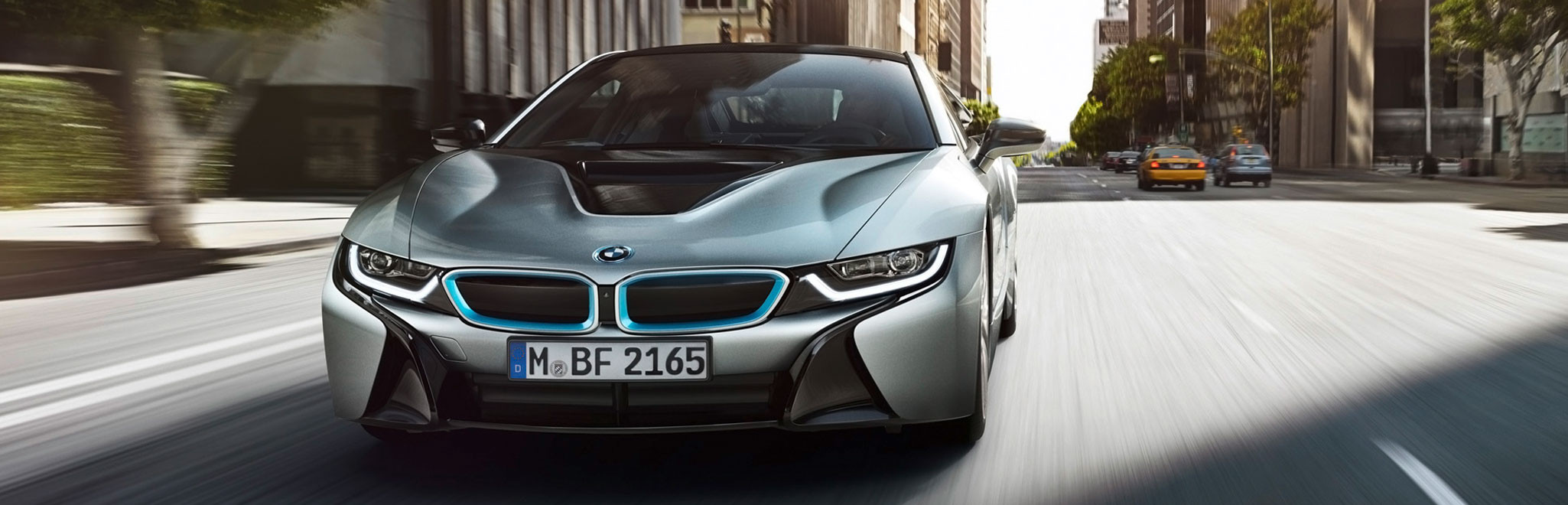
Currently, ZF's eight-speed automatic transmission is primarily used by two automakers. BMW will deploy this transmission in its 2009-generation 7 Series, while Audi announced plans to install it in the all-new A7 four-door sedan, the slightly redesigned Q7, and the next-generation A8.Additionally, Jaguar is set to join the customer base of ZF's eight-speed automatic transmission.
While Audi utilizes ZF's eight-speed automatic transmission, Volkswagen is also accelerating the development of its own transmission systems. The DSG dual-clutch seven-speed automatic transmission has already been officially launched and put into operation, and an eight-speed DSG transmission is believed to be under secret development.
The introduction of new eight-speed automatic transmissions will spur automakers to develop next-generation products. Given that nine-speed or even ten-speed transmissions offer limited performance improvements and involve substantial R&D costs, the focus will shift to continuously variable transmissions (CVTs) capable of delivering greater torque than current models.